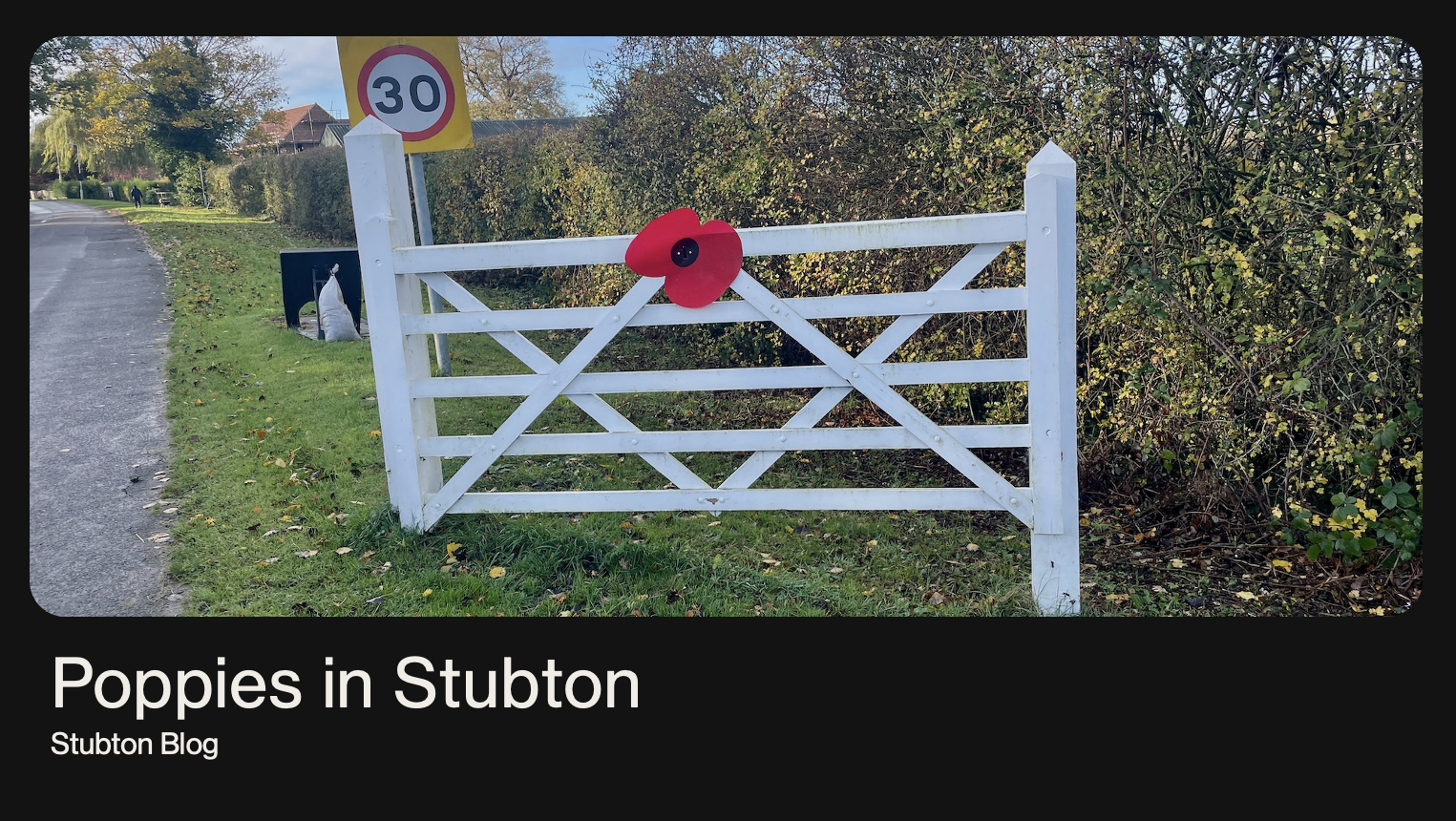
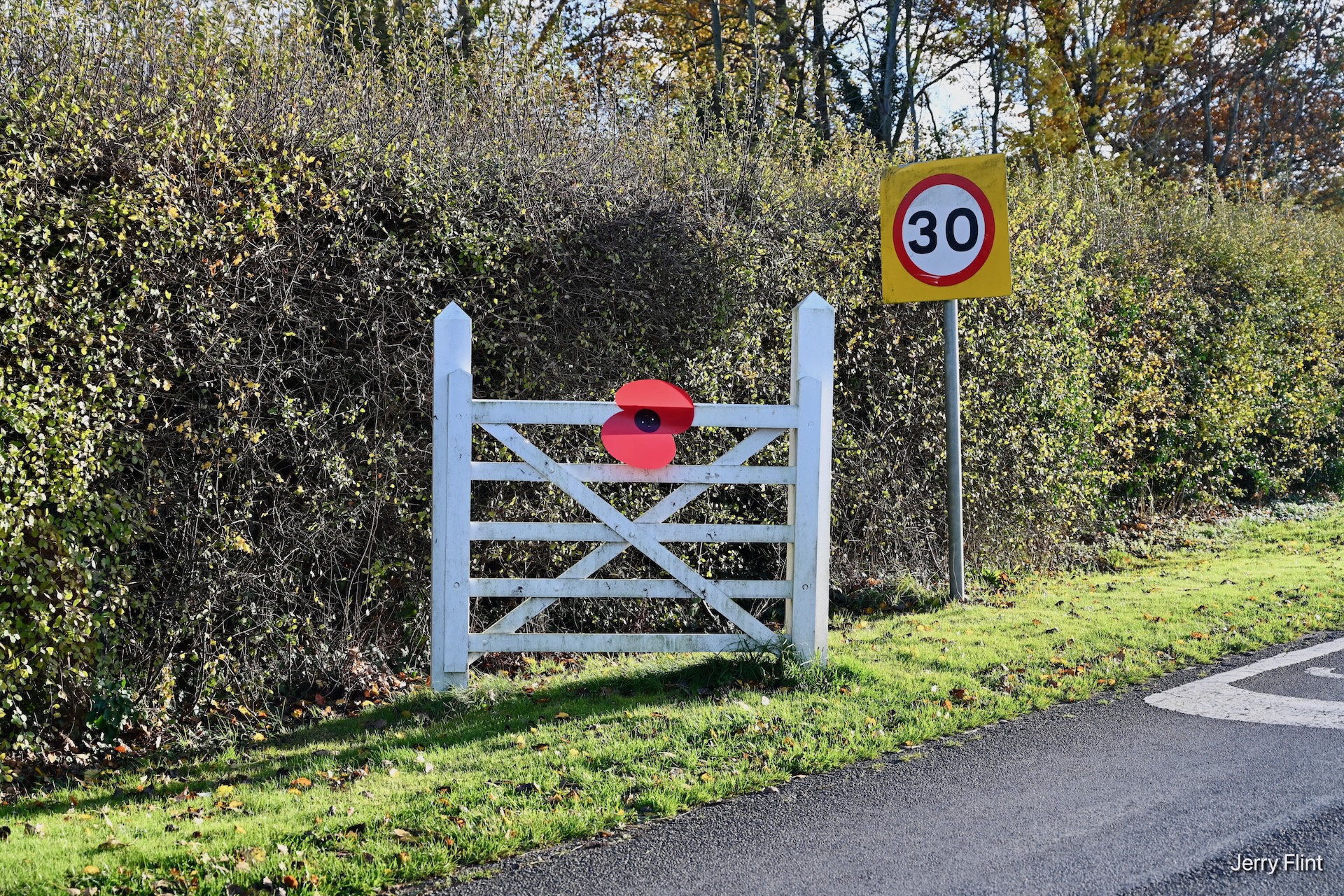
The village remembering Armistice Day with poppies on the village gates.
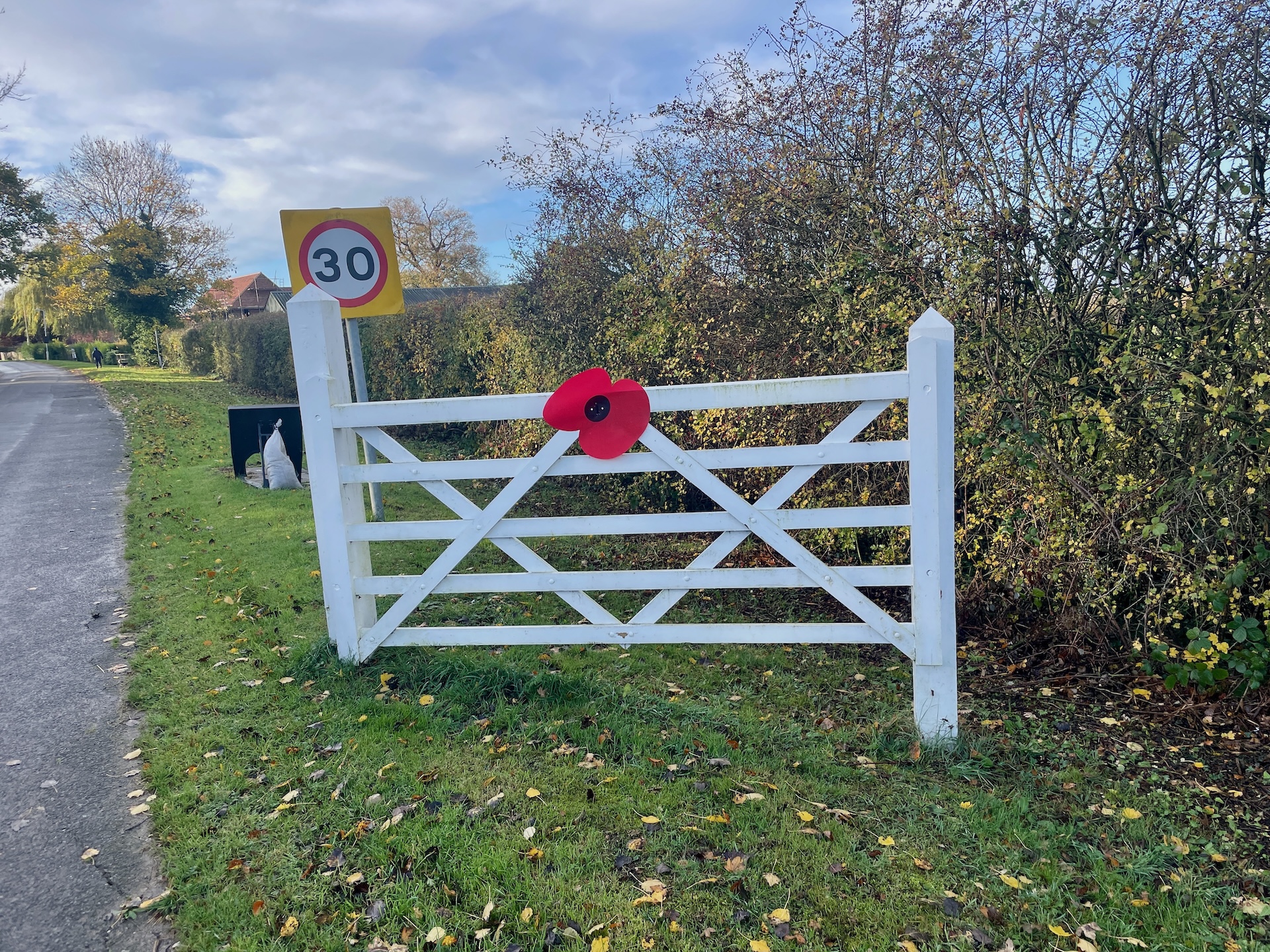
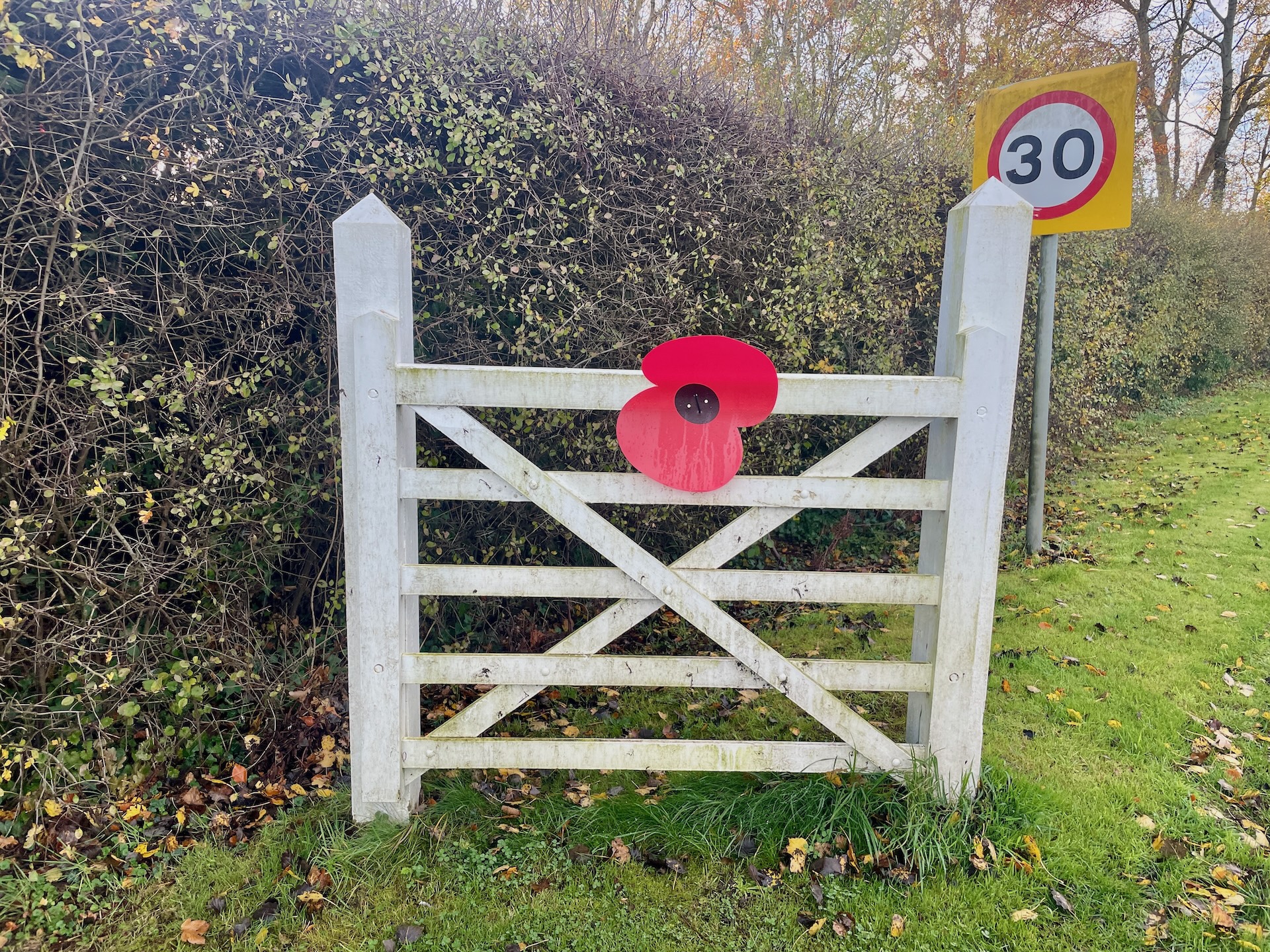
Poppies on gates and public spaces in Lincolnshire are a powerful and highly visible tribute, especially around Remembrance Day. Here’s a comprehensive overview of their meaning, significance, and where you can see them:
Meaning and Significance of Poppies
- Symbol of Remembrance: The red poppy is internationally recognized as a symbol of remembrance for those who have died in military service, particularly since World War I. The tradition was inspired by the poem “In Flanders Fields,” which describes poppies growing among soldiers’ graves in Belgium. The flower represents both the blood shed in war and the hope of renewal and peace. [en.wikipedia.org]
- Community Tribute: In Lincolnshire and across the UK, poppies are displayed on gates, fences, roundabouts, and public buildings as a collective act of remembrance and respect for servicemen and women, past and present. [iwm.org.uk]
Poppies on Gates and Public Spaces in Lincolnshire
- Roundabouts and Major Roads: Lincolnshire is known for its striking displays of giant poppies painted on roundabouts and at key road junctions. These are installed in the lead-up to Remembrance Day and remain throughout November. Locations include:
- Gunby Roundabout
- A16/A157 Roundabout (Louth)
- Riseholme Roundabout (Lincoln)
- A15 Sleaford Road (Lincoln Eastern Bypass)
- B1174 Tollemache Road (Grantham)
- A52/B1176 Roundabout (near Old Somerby)
- Bourne Road/Raymond Mays Way (Bourne)
- A17/A16 Roundabout (near Sutterton)
- A631/A156 Roundabout
- A16/A151 Roundabout
- Gates and Fences: Many communities, churches, and schools in Lincolnshire decorate their gates and fences with handmade poppies—often knitted or crafted by local volunteers. These displays are especially prominent at church gates and public parks during Remembrance events.
- Community Involvement: The creation and installation of these poppy displays are often community-driven, with volunteers donating time and materials. This collective effort is seen as a way to honour the sacrifices of the Armed Forces and to foster a sense of unity and remembrance within the community.
Why Lincolnshire?
Lincolnshire has a strong military heritage, with several RAF bases and a history of significant contributions during both World Wars. The county’s widespread adoption of poppy displays reflects its deep respect for the Armed Forces and its commitment to keeping the memory of their sacrifices alive.