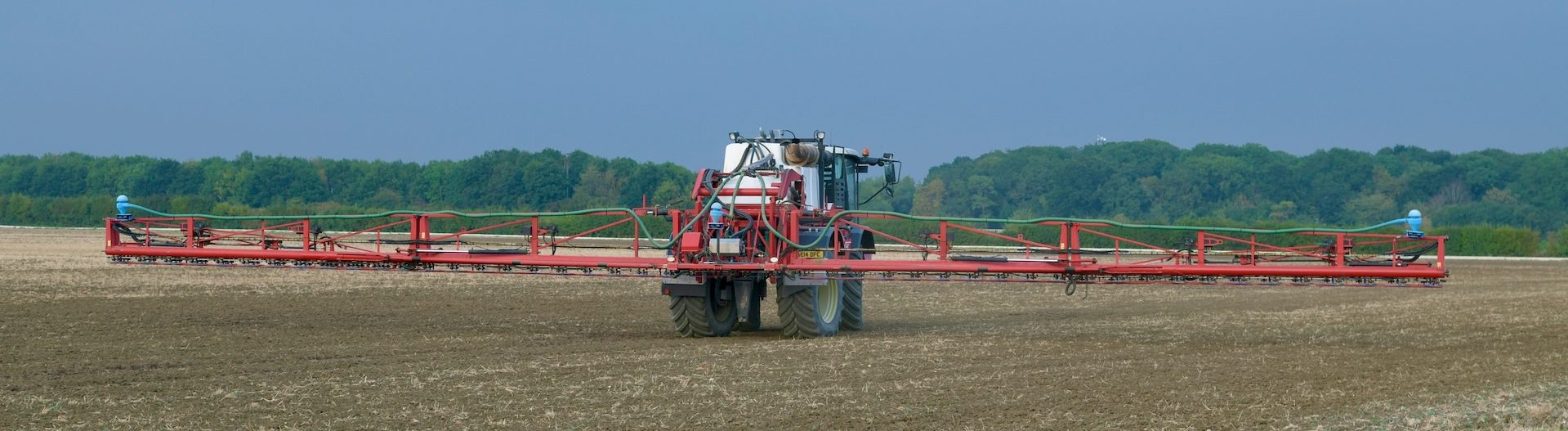
Here’s a comprehensive overview of the safety rules for agricultural equipment in the UK, based on the latest regulations and guidance from the Health and Safety Executive (HSE) and other official sources:
1. Key Legislation
- Health and Safety at Work etc. Act 1974: The foundation of all workplace safety law in the UK. Employers must ensure, as far as is reasonably practicable, the health, safety, and welfare of employees and others affected by their work. [hse.gov.uk]
- Provision and Use of Work Equipment Regulations 1998 (PUWER): Requires that equipment provided for use at work is:
- Suitable for the intended use
- Safe for use and maintained in a safe condition
- Used only by people who have received adequate information, instruction, and training
- Accompanied by suitable safety measures (e.g., guards, markings, warnings). [hse.gov.uk]
- Supply of Machinery (Safety) Regulations 2008: Applies to manufacturers and suppliers. Machinery must:
- Meet essential health and safety requirements
- Be designed and constructed based on a risk assessment
- Be CE or UKCA marked and have a declaration of conformity. [hse.gov.uk]
- Lifting Operations and Lifting Equipment Regulations 1998 (LOLER): Covers lifting equipment (e.g., telehandlers, cranes). Equipment must be strong, stable, marked with safe working loads, and regularly inspected by a competent person. [nfuonline.com]
- Prevention of Accidents to Children in Agriculture Regulations 1998 (PACAR): It is illegal for children under 13 to ride on or drive agricultural self-propelled machines (such as tractors) and certain other farm machinery. [nfuonline.com]
2. General Safety Requirements
- Risk Assessment: Employers must conduct risk assessments to identify and mitigate hazards associated with agricultural equipment. [labourlaws.co.uk]
- Training: All users of agricultural equipment must receive adequate training and instruction.
- Maintenance: Equipment must be properly maintained and regularly inspected for defects.
- Guarding: Dangerous parts of machinery (e.g., PTO shafts, moving blades) must be guarded to prevent contact.
- Safe Stop Procedure: Before maintenance or clearing blockages, always:
- Apply the handbrake
- Put controls in neutral
- Turn off the engine
- Remove the key. [safetywise.uk]
3. Specific Machinery Rules
- Tractors: Must have roll-over protective structures (ROPS) and seat belts. Maximum legal road speed is 40 km/h (approx. 25 mph) for most tractors. [gov.uk]
- Power Take-Off (PTO) Shafts: Must be guarded at all times. Inspect guards daily.
- Lifting Equipment: Must be marked with safe working loads and inspected every six months if used to lift people. [nfuonline.com]
4. Hazardous Substances
- COSHH (Control of Substances Hazardous to Health Regulations 2002): Protects workers from risks associated with pesticides, fertilizers, and other chemicals. Employers must provide proper protective equipment and training. [wtconsultancy.co.uk]
5. Biosecurity and Other Updates (2025)
- Biosecurity: Enhanced measures for disease prevention (e.g., foot dips, quarantine zones).
- Record-Keeping: Use digital tools for compliance and inspections.
- Annual Training: Provide and document annual health and safety training for all staff. [wtconsultancy.co.uk]
6. Useful Resources
Summary Table:
| Area | Key Rule/Requirement |
|---|---|
| General Law | Health and Safety at Work etc. Act 1974 |
| Equipment Use | PUWER 1998: Suitable, safe, maintained, guarded, trained users |
| Machinery Supply | Supply of Machinery (Safety) Regulations 2008: Risk assessment, CE/UKCA mark |
| Lifting Equipment | LOLER 1998: Marked, stable, inspected |
| Children | PACAR 1998: No under-13s on self-propelled machines |
| Maintenance | Regular checks, Safe Stop procedure |
| Hazardous Substances | COSHH 2002: PPE, training, exposure limits |
| Tractors | ROPS, seat belts, speed limits |
| PTO Shafts | Guarded at all times |
| Biosecurity | Foot dips, quarantine, visitor controls |