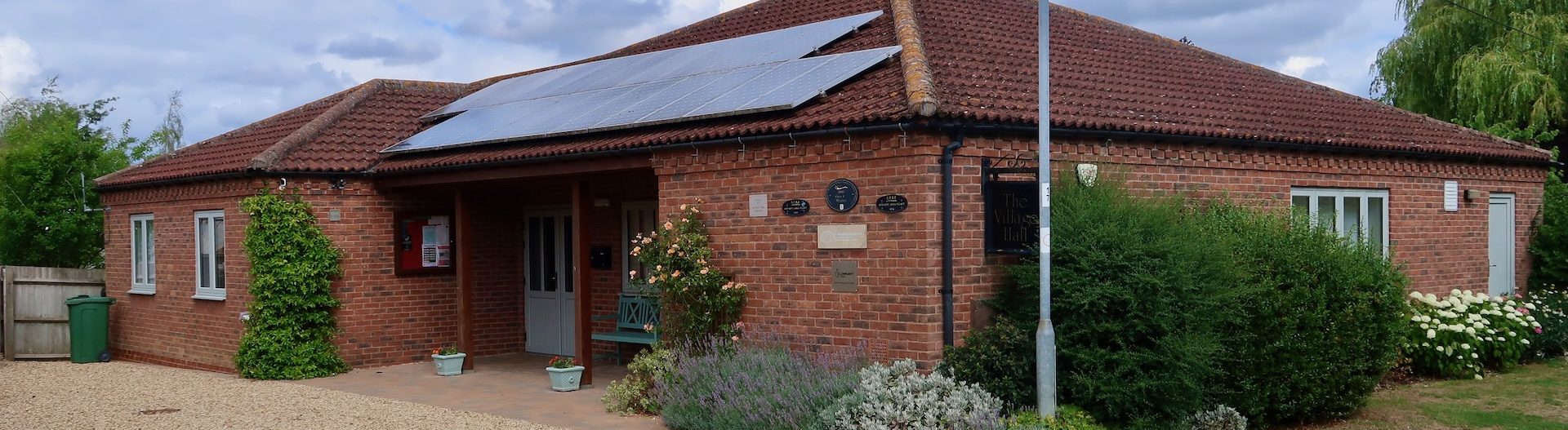
Stubton being such a quiet village, it is very noticeable if there are dogs barking at night!
Dogs barking at night can be treated as a statutory noise nuisance in the UK if the barking is frequent, prolonged, or occurs during normal sleeping hours. Councils must investigate complaints, and persistent issues can lead to warnings, abatement notices, or even prosecution.
Below is a clear, structured guide so you know exactly how UK law treats night‑time dog barking and what typically happens next.
When Night‑Time Barking Becomes a Legal Nuisance
Local authorities judge nuisance based on several factors, not a single rule:
- Frequency – how often the barking happens
- Duration – how long each episode lasts
- Timing – barking between 11pm and 7am is taken more seriously
- Volume and character – how intrusive or irritating the noise is
Councils often act when barking:
- Lasts over 30 minutes on 5 days out of 7, or
- Totals 1 hour within 24 hours, or
- Occurs repeatedly during night hours
- Relevant UK Legislation
Environmental Protection Act 1990
- Excessive barking can be classed as a statutory nuisance if it interferes with someone’s use/enjoyment of their home.
- Councils can issue a Noise Abatement Notice requiring the owner to stop the nuisance.
- Ignoring the notice can lead to prosecution and fines.
Anti‑social Behaviour, Crime & Policing Act 2014
- Councils can issue Community Protection Warnings and then Community Protection Notices if the behaviour persists.
- Breaching a CPN is a criminal offence.
What Councils Typically Do
- Investigate the complaint
- They may ask neighbours to keep a noise diary.
- They may install noise‑monitoring equipment or conduct visits.
- Issue informal advice or warnings
- Councils usually try to resolve things without formal action.
- Serve a Noise Abatement Notice if the barking is judged a nuisance
- The owner has 21 days to appeal.
- Continued barking after this can lead to prosecution.
Why Dogs Bark at Night (Common Causes)
Understanding the cause is key to resolving it:
- Separation anxiety
- Boredom or lack of exercise
- Guarding behaviour
- External triggers (foxes, passers‑by, noises)
- Medical issues (hearing loss, pain)
Practical Steps Owners Are Expected to Take
Councils expect owners to show they’re trying to fix the issue. Typical steps include:
- Increasing exercise and mental stimulation
- Using blinds/curtains to block triggers
- Leaving background noise (radio)
- Providing enrichment toys (e.g., stuffed Kongs)
- Seeking help from a qualified behaviourist
Punishment or anti‑bark collars are discouraged as they often increase anxiety.
Here’s the recommended escalation path:
- Politely speak to the owner (or leave a note if you prefer).
- Keep a diary of dates, times, and duration of barking.
- Ask other neighbours if they’re affected.
- Report to your local council’s Environmental Health team if the issue continues.