RAF Fulbeck: A Brief History
RAF Fulbeck, located in Lincolnshire, was an important airfield during World War II and played a significant role in both RAF and USAAF operations.
Early Years and Construction
- Opened: 1940, initially as a grass relief landing ground for RAF Cranwell.
- Development: By late 1942, it was developed into a full-scale bomber airfield with three concrete runways and several hangars, supporting both training and operational needs. [heritage-e…ire.gov.uk]
World War II Operations
- USAAF Use: In September 1943, RAF Fulbeck was allocated to the US Ninth Air Force. It became known as USAAF Station AAF-488.
- 434th Troop Carrier Group: Arrived October 1943, flying Douglas C-47/C-53 Skytrains, and trained for airborne operations before moving to RAF Welford in December 1943.
- 442nd Troop Carrier Group: Arrived March 1944, participated in D-Day by flying paratroopers of the US 82nd Airborne Division to Normandy, earning a Distinguished Unit Citation. Left in June 1944.
- 440th Troop Carrier Group: Used Fulbeck as an advance base for Operation Market Garden in September 1944, supporting airborne operations in Holland.
- RAF Bomber Command: Returned to RAF control in late September 1944.
- 49 Squadron and 189 Squadron: Both operated Avro Lancasters from Fulbeck, conducting bombing raids until April 1945.
Notable Events
- Tragedy: On 22 September 1944, a tragic explosion occurred during the loading of anti-tank mines onto a C-47, resulting in the deaths of three paratroopers and the destruction of two aircraft.
- Memorial: A memorial to all who flew from RAF Fulbeck stands at the former main entrance, erected in 1988.
Postwar and Current Status
- Postwar Use: After WWII, Fulbeck was used for equipment disposal and as a relief landing ground for RAF Cranwell. In the 1950s, it housed the Air Historical Branch’s aircraft collection, many of which are now in the RAF Museum. [heritage-e…ire.gov.uk]
- Closure: The airfield was closed in the late 1960s/early 1970s.
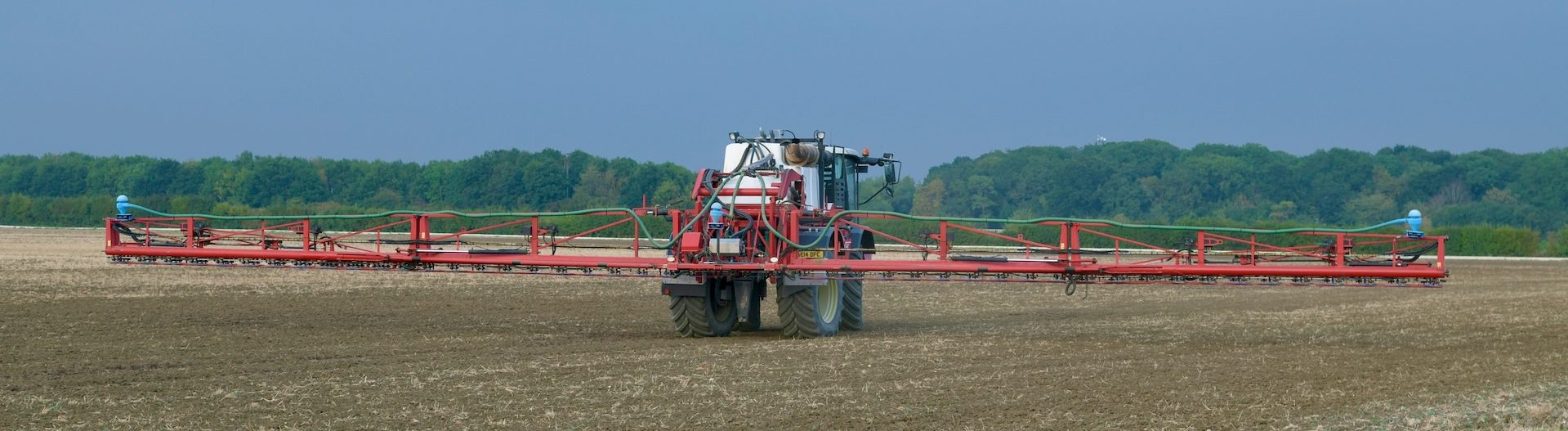
- Today: Much of the perimeter track and some runways remain. The site has been used for agricultural purposes, leisure activities (including a kart racing circuit), and Ministry of Defence training. Some wartime buildings still exist, and the area is privately owned.
Legacy
RAF Fulbeck is remembered for its dual role with both the RAF and USAAF, its involvement in major airborne operations, and its continued presence in the landscape of Lincolnshire. The memorial and remaining structures serve as a tribute to those who served and flew from the airfield.
Here’s are links to World War II image of RAF Fulbeck:
- Aerial photograph of Fulbeck Airfield in April 1944: This image shows the airfield as it appeared during WWII, with runways, hangars, and the bomb dump at the south end. It’s a genuine period photo and gives a clear sense of the airfield’s layout and rural surroundings. RAF Fulbeck 1944
Source: loveden.org.uk [loveden.org.uk]
Here are historical images and details of aircraft at RAF Fulbeck during World War II:
1. Douglas C-47 Skytrain at RAF Fulbeck
- The C-47 Skytrain was the main aircraft operated by the USAAF Troop Carrier Groups based at Fulbeck.
- Photo: Paratroopers with a C-47 Skytrain of the 440th Troop Carrier Group, 95th Troop Carrier Squadron, at Fulbeck, September 1944, preparing for a mission.
!C-47 Skytrain at Fulbeck
Source: American Air Museum [americanai…museum.com]
2. Avro Lancaster Bombers
- From late 1944, RAF Fulbeck hosted No. 49 and No. 189 Squadrons, both flying Avro Lancaster heavy bombers.
- Photo: While a direct photo of Lancasters at Fulbeck is rare online, the Avro Lancaster was a common sight at the airfield during this period.
!Lancaster Bomber
Source: Britannica [britannica.com]
3. Gliders and Other Aircraft
- Before D-Day, dozens of gliders (such as the Horsa) were dispersed around the airfield for airborne operations.
- Photo: Aerial view of Fulbeck in April 1944, showing gliders and aircraft on the airfield.
!RAF Fulbeck 1944
Source: Geograph [geograph.org.uk]
4. More Information and Archives
- For additional historical images, the RAF Museum Photo Collection and Wikimedia Commons are excellent resources for public domain photos of RAF aircraft from the era. [rafmuseum.org.uk], [commons.wi…imedia.org]