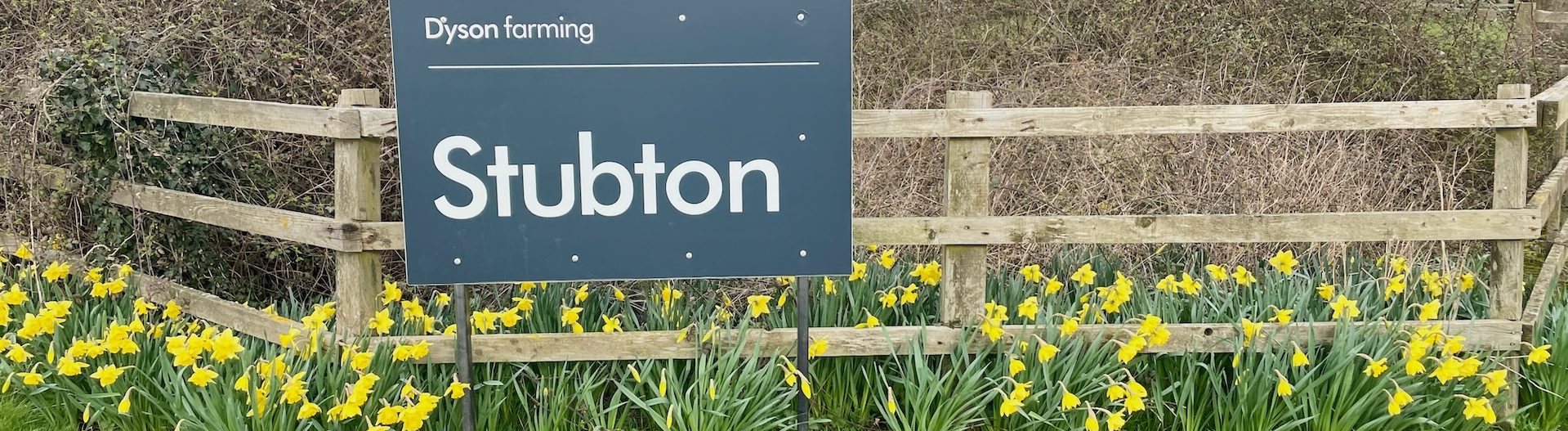
Stubton, Lincolnshire: A Hidden Gem of English Countryside Heritage
Introduction
Tucked away in the tranquil South Kesteven district of Lincolnshire, Stubton is a picturesque village that offers a window into England’s rural past and present. With its historic buildings, close-knit community, and idyllic landscapes, Stubton is a destination that charms both residents and visitors alike.
A Glimpse into History
Stubton’s roots stretch back centuries, with its name believed to derive from Old English, meaning “a farmstead where there are tree stumps.” The village is mentioned in the Domesday Book, reflecting its long-standing presence in the region. By the late 19th century, Stubton was a modest parish with a population of just over 150, centered around agriculture and estate life.
The manor of Stubton, along with its hall, has played a central role in the village’s development. Over the years, the estate changed hands among notable families, shaping the local economy and landscape.
Architectural Highlights
St. Martin’s Church
At the heart of the village stands St. Martin’s Church, a Grade II* listed building. Erected in 1799 and expanded in 1869, the church is a fine example of Georgian ecclesiastical architecture. Its west tower, chancel, and stained glass windows are notable features, and the churchyard is dotted with historic gravestones, including a distinctive columnar marker from 1801. The church’s interior boasts a 19th-century octagonal font, a gallery with an organ, and a pulpit from the same era, all contributing to its serene and timeless atmosphere.
Stubton Hall
Perhaps the village’s most iconic landmark is Stubton Hall. Built between 1813 and 1814 for Sir Robert Heron, this grand country house was designed by the renowned architect Sir Jeffry Wyatville. The hall features elegant brickwork, ashlar dressings, and a striking Tuscan portico, some elements of which are believed to have been sourced from nearby historic estates. Over the years, Stubton Hall has served as a private residence, a boarding school, and, more recently, a luxury hotel and wedding venue. Its 23 acres of landscaped gardens and parkland provide a stunning backdrop for events and leisurely strolls.
Village Life and Community Spirit
Stubton is home to a small but vibrant community, with a population of around 300. The village is known for its peaceful ambiance and strong sense of togetherness. Community life centers around the modern village hall, built with Millennium Lottery funding, which hosts social events, meetings, and celebrations throughout the year.
The village has been recognized for its beauty and community pride, winning the Lincolnshire “Best Kept Village” award multiple times. Residents take great care in maintaining the village’s appearance, from the well-tended green to the traditional red telephone box and bus shelter.
Natural Beauty and Outdoor Activities
Surrounded by open fields, and lush countryside, Stubton is a haven for nature lovers. The area offers numerous walking and cycling routes, with the nearby River Witham providing opportunities for fishing and boating. The village’s rural setting makes it an ideal base for exploring the Lincolnshire Wolds, a designated Area of Outstanding Natural Beauty, as well as the historic city of Lincoln and the market town of Newark-on-Trent.
Conclusion
Stubton, Lincolnshire, is a village where history, heritage, and community spirit come together in a setting of natural beauty. Its historic buildings, welcoming residents, and scenic surroundings make it a true hidden gem in the English countryside.