
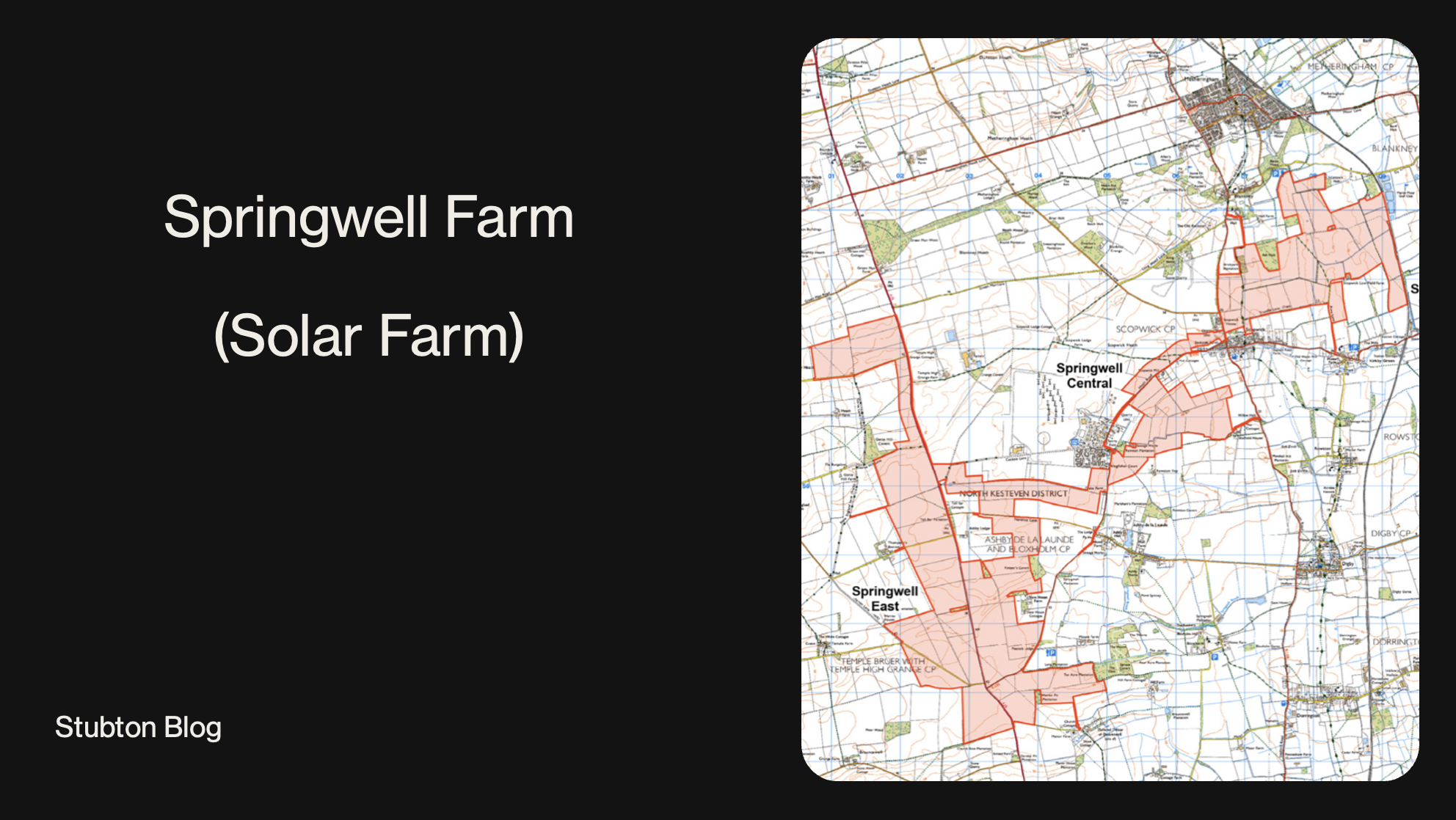
The proposed Springwell Solar Farm has become one of the most debated developments in the region, not because people oppose renewable energy, but because of where the project is planned to be built. At the heart of the issue is the long‑term loss of productive agricultural land at a time when food security, sustainability, and ethical supply chains are becoming increasingly important to the UK.
Below is a clear breakdown of the key concerns being raised by residents, farmers, and local stakeholders.
1. Productive Farmland Is Being Removed at a Time of Rising Food Insecurity
The UK currently imports around 45% of its food, according to the National Farmers’ Union and the Environment, Food & Rural Affairs Committee. Global instability, climate change, and supply‑chain disruptions have all highlighted the risks of relying heavily on imports.
Many residents argue that taking hundreds of acres of productive farmland out of use for 30–40 years is the wrong decision at the wrong time. With food prices rising and supply chains becoming more fragile, the UK needs more domestic production, not less.
2. Best and Most Versatile (BMV) Land Is a Finite Resource
The land earmarked for Springwell includes areas classified as Grade 1–3a, known as Best and Most Versatile (BMV). This type of land represents only a small fraction of the UK’s total land area and is considered vital for national food production.
Once covered with solar panels, cabling, access tracks, and substations, this land is effectively removed from meaningful agricultural use for decades. Unlike brownfield sites or industrial rooftops, high‑quality farmland cannot be replaced once it is taken out of production.
3. Impact on Local Food Production and the Rural Economy
Agricultural land supports far more than crops. It underpins:
- Local farm businesses
- Livestock grazing
- Rural employment
- Local supply chains
- The wider rural economy
Replacing farmland with a solar array risks reducing local food output and weakening the economic resilience of farming communities. Many residents fear that the long‑established agricultural character of the area will be permanently altered.
4. Better Locations for Solar Power Are Being Overlooked
Critics of the Springwell proposal are not opposed to solar energy. Instead, they argue that productive farmland should be the last place considered, not the first.
Government and industry assessments show huge untapped potential for solar on:
- Commercial and industrial rooftops
- Warehouses and logistics centres
- Car parks
- Brownfield or contaminated land
- Lower‑grade agricultural land
- Roadside verges and transport corridors
These alternatives could deliver renewable energy without sacrificing food‑producing land.
5. The Proposal Conflicts With National Food Security Goals
The UK Government’s Food Strategy and EFRA Committee reports emphasise the need to:
- Protect domestic food production
- Strengthen national food resilience
- Reduce reliance on imports
Large‑scale solar farms on productive agricultural land appear to contradict these national priorities. Many residents believe the Springwell proposal undermines the very policies the Government has committed to uphold.
6. Ethical and Environmental Concerns in the Solar Supply Chain
Another major concern relates to where the solar panels themselves are manufactured. Industry data shows that 80–90% of global solar panels come from China, including regions where:
- Manufacturing is powered largely by coal
- There have been international concerns about forced labour in parts of the polysilicon supply chain
Residents argue that if the UK is going to sacrifice farmland, developers should at least guarantee:
- Transparent supply chains
- Ethical sourcing
- Low‑carbon manufacturing
- Independent verification of panel origin
Many large solar farm proposals, including Springwell, do not currently provide these assurances.
7. End‑of‑Life Waste and Recycling Challenges
Solar panels typically last 25–35 years, meaning the Springwell site will eventually generate thousands of tonnes of waste. The UK currently has very limited capacity to recycle solar panels at scale.
Most end‑of‑life panels are:
- Shredded and down‑cycled (recovering only low‑value materials), or
- Exported abroad for processing
Panels contain materials such as lead, cadmium, silver, and plastics that require careful handling. Without a fully costed and guaranteed decommissioning plan, residents fear the long‑term waste burden could fall on local communities or taxpayers.
Conclusion: A Question of Balance, Not Opposition to Solar
The debate around Springwell Solar Farm is not about rejecting renewable energy. It is about ensuring that the UK meets its climate goals without undermining food security, damaging rural economies, or creating long‑term environmental and ethical problems.
Many residents believe that solar power has a vital role to play — but that role should focus on rooftops, brownfield land, and lower‑grade sites, not some of the country’s most productive farmland.
Can I ask that you write to your MP to oppose this project.
Source website: https://www.springwellsolarfarm.co.uk
Loading Viewer…